


The Power of New Year Resolutions
Updated: Jan 15
Why Setting Resolutions Matters
Setting resolutions marks a clear point to reflect on the past year and plan for the future. This practice encourages self-awareness and intentionality. Without goals, it’s easy to drift through life without making progress on what truly matters to you.
Resolutions help you:
Clarify your priorities
Create a roadmap for change
Measure progress over time
Build motivation through small wins
For example, someone who wants to improve their health might set a resolution to walk 30 minutes daily. This specific goal provides direction and a way to track success, unlike a vague wish to “get healthier.”
How Resolutions Support Personal Growth
Personal growth involves developing new skills, habits, and mindsets that improve your life. Resolutions act as a catalyst for this growth by encouraging you to step outside your comfort zone and try new things.
Here are ways resolutions foster growth:
Encouraging discipline: Committing to a resolution builds self-control and consistency.
Promoting learning: Trying new activities or habits expands your knowledge and abilities.
Building resilience: Facing challenges in pursuit of goals strengthens your ability to handle setbacks.
Increasing self-confidence: Achieving milestones boosts belief in your capabilities.
Consider someone who resolves to read one book a month. Over time, they gain knowledge, improve focus, and develop a habit that enriches their life beyond the initial goal.
Tips for Setting Effective Resolutions
Many resolutions fail because they are too vague, unrealistic, or lack a plan. To make resolutions work for you, follow these practical tips:
Be Specific and Realistic
Instead of “exercise more,” say “go to the gym three times a week.” Clear goals are easier to follow and measure.
Break Goals into Small Steps
Large goals can feel overwhelming. Divide them into manageable actions. For example, if your goal is to save money, start by saving a small amount weekly.
Write Down Your Resolutions
Writing makes your goals tangible and increases commitment. Keep your list visible as a reminder.
Track Your Progress
Use a journal, app, or calendar to record your efforts. Seeing progress motivates you to keep going.
Build Accountability
Share your resolutions with a friend or join a group with similar goals. Support and encouragement help maintain momentum.
Be Flexible and Kind to Yourself
Life changes, and so can your goals. Adjust your resolutions if needed and don’t punish yourself for setbacks. Growth is a process.
Examples of Resolutions That Promote Growth
Here are some examples of resolutions that can lead to meaningful personal development:
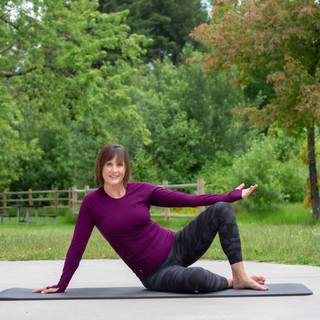
Improve physical health: Walk daily, eat more vegetables, or practice mindful movement such as Pilates.
Develop a new skill: Learn a language, take a cooking class, or start painting.
Enhance mental well-being: Meditate regularly, journal thoughts, or reduce screen time.
Strengthen relationships: Schedule weekly calls with family, practice active listening, or volunteer.
Advance career goals: Attend workshops, update your resume, or network more.
Each of these resolutions encourages growth by pushing you to learn, connect, or improve habits.
Overcoming Common Challenges
Many people struggle to keep their resolutions because of common obstacles:
Lack of motivation: Remind yourself why the goal matters and celebrate small wins.
Unrealistic expectations: Set achievable goals and adjust as needed.
Time constraints: Prioritize your resolutions by scheduling time for them and just start.
Fear of failure: View setbacks as learning opportunities, not reasons to quit.
By anticipating these challenges, you can prepare strategies to stay on track.
The Long-Term Benefits of Setting Resolutions
When you commit to setting and pursuing resolutions, you build a habit of self-improvement. Over time, this habit leads to:
Greater self-awareness
Improved confidence
Better decision-making
Increased satisfaction with life
Even if you don’t achieve every goal, the effort itself creates positive change. The process teaches patience, persistence, and adaptability—qualities essential for personal growth.
Embracing the Journey
As we embark on this journey of setting resolutions, let's remember that it's not just about the destination. The experiences we gather along the way are invaluable. Each step, no matter how small, contributes to our growth.
I encourage you to embrace this process. Celebrate your victories, learn from your challenges, and keep moving forward. Remember, every effort counts. You have the power to shape your life and achieve your dreams.
Let’s take charge of our health and well-being together. By focusing on our goals, we can build strength, find happiness, and live long, healthy lives through personalized Pilates and holistic wellness coaching.
So, as you set your resolutions, think about how they can empower you. Let's make this year a transformative one!



Comments